
Cassarino
St. Paul’s Bay
Client: LCSPB
Reclaiming Neglected Spaces: A Prototype for Vitality in Urban Spaces
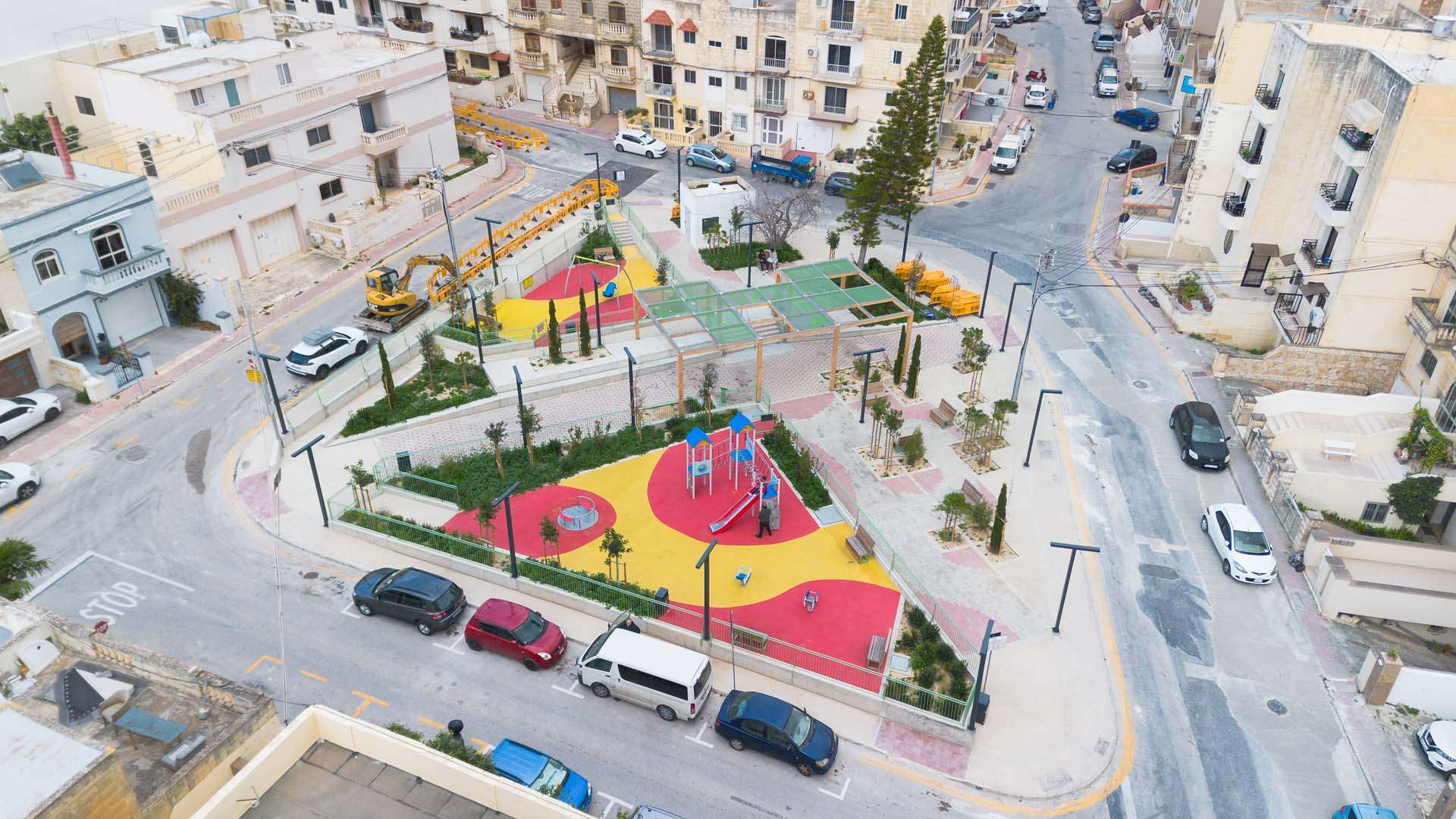
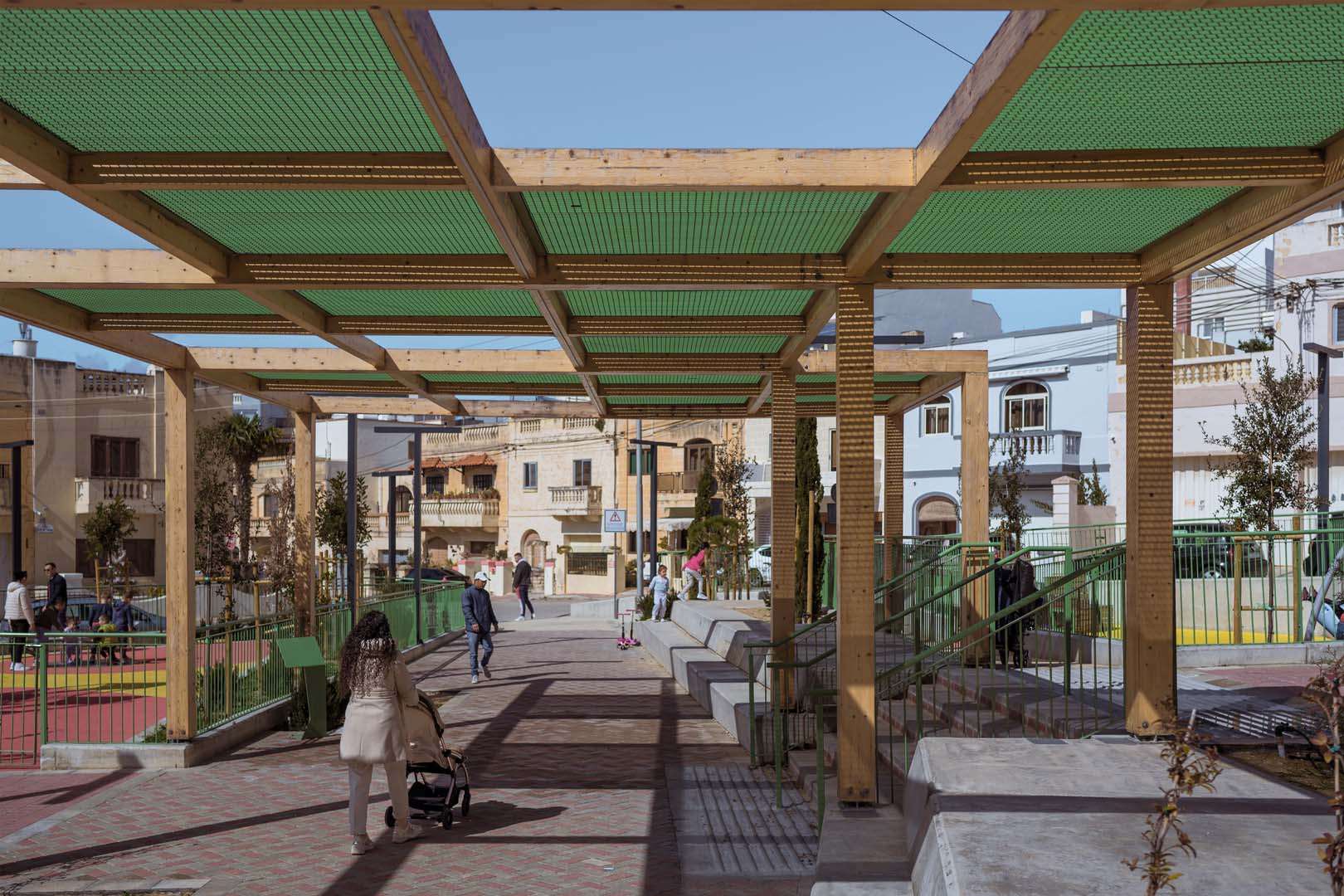
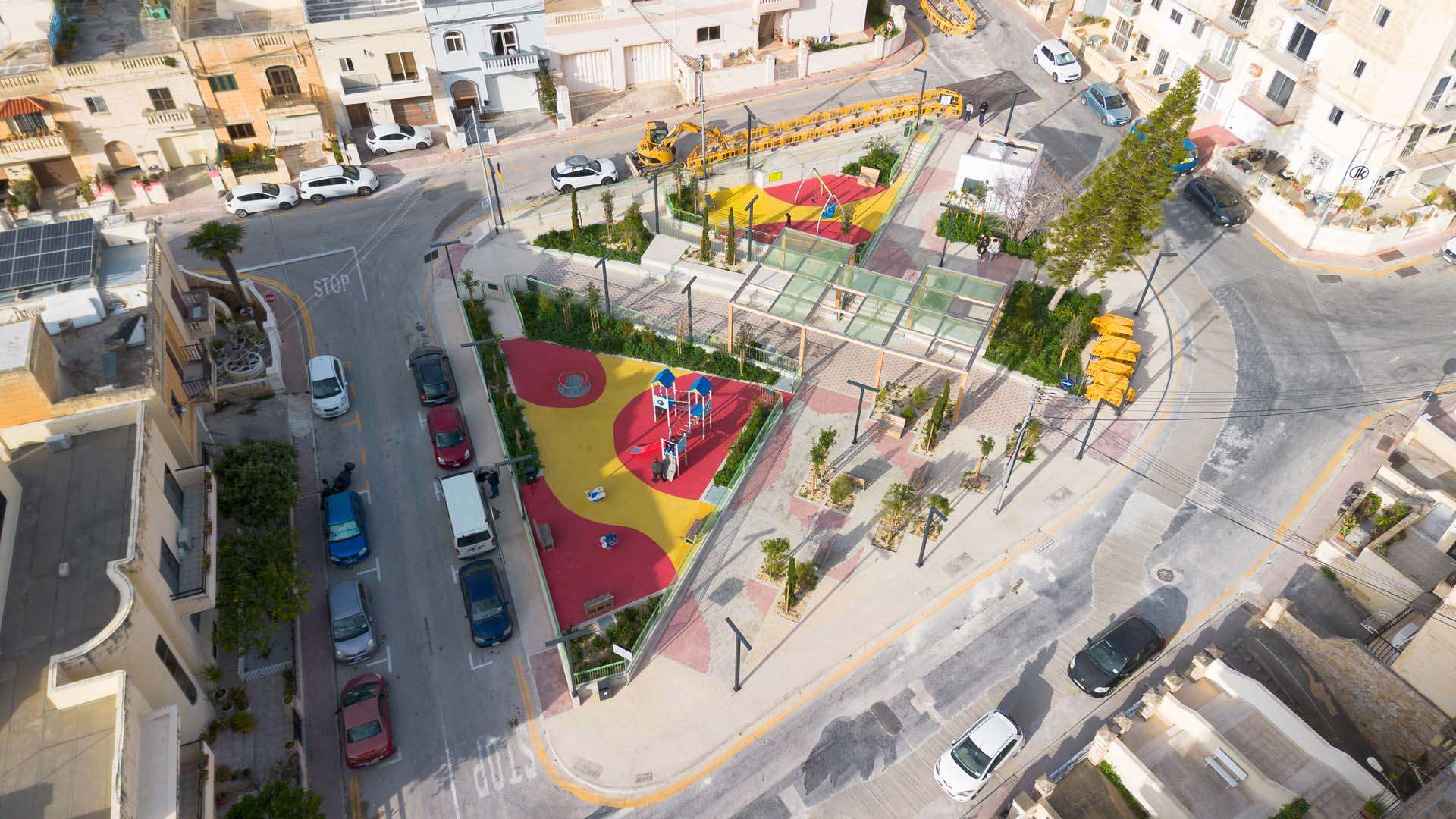
Commissioned by the Local Council, this project reimagines a neglected and uninviting garden into a dynamic public space. Initially briefed as a traditional ‘playing field,’ the design evolved into a broader exploration of how leftover urban spaces in Maltese towns can be transformed into safe, inclusive, and well-integrated environments.
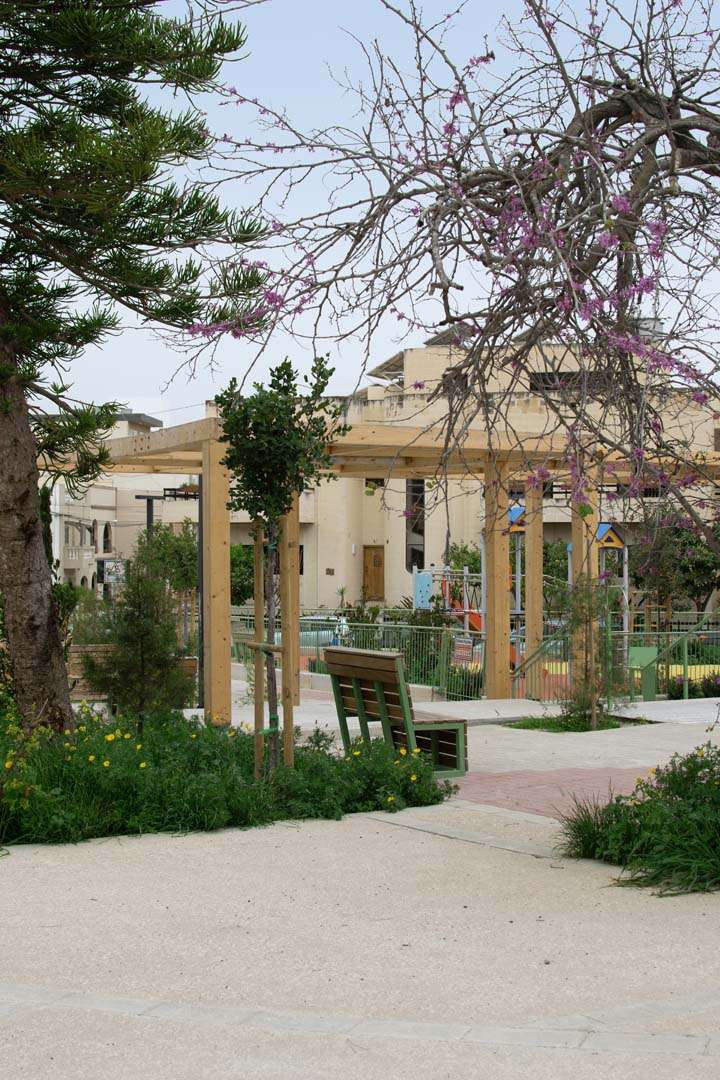
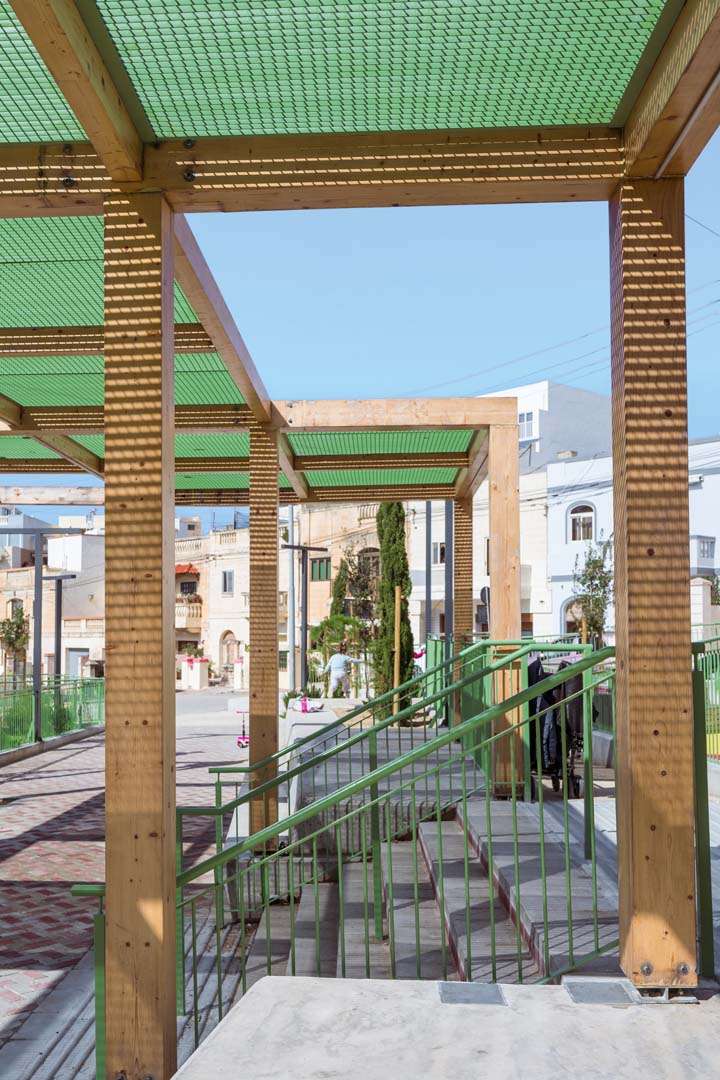
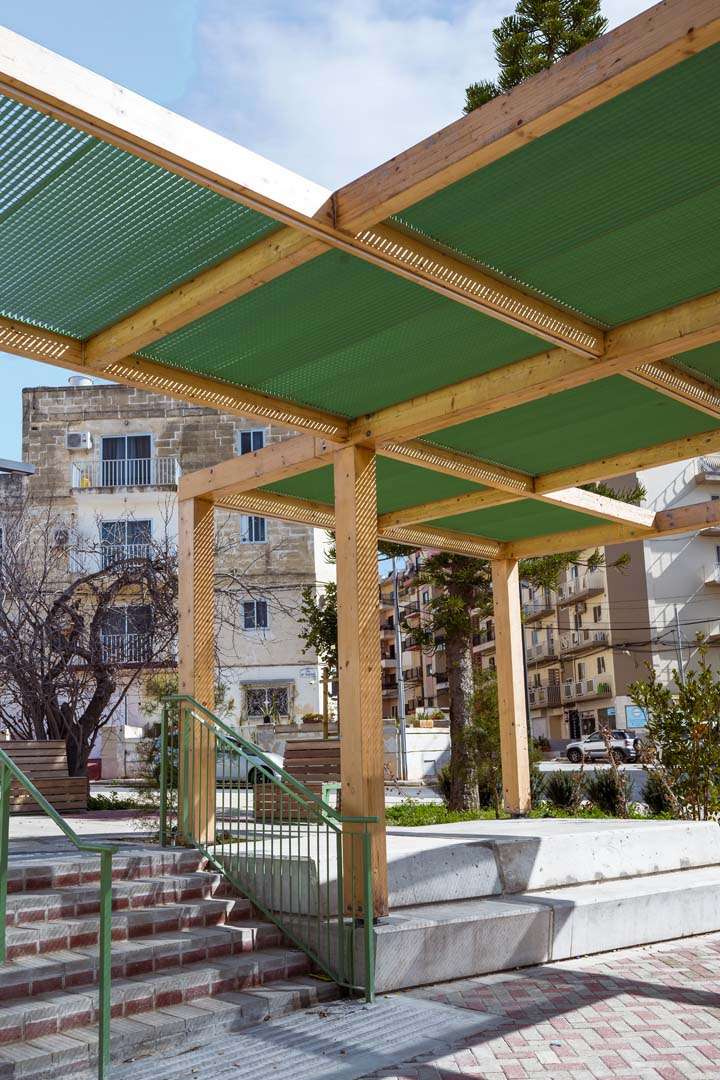
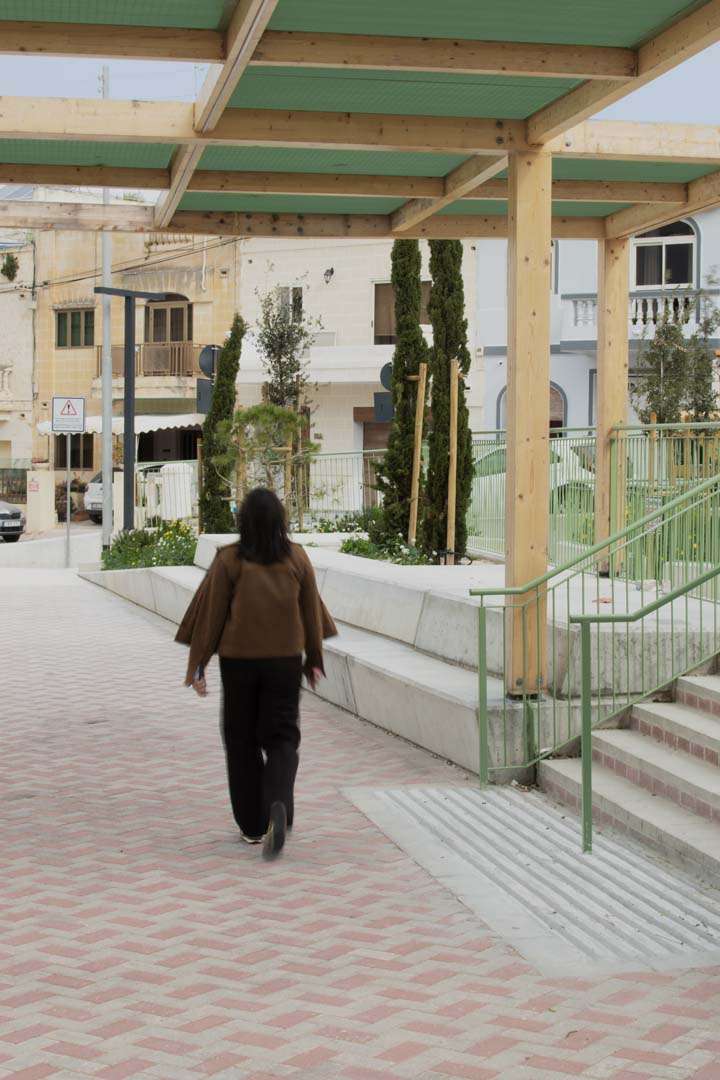
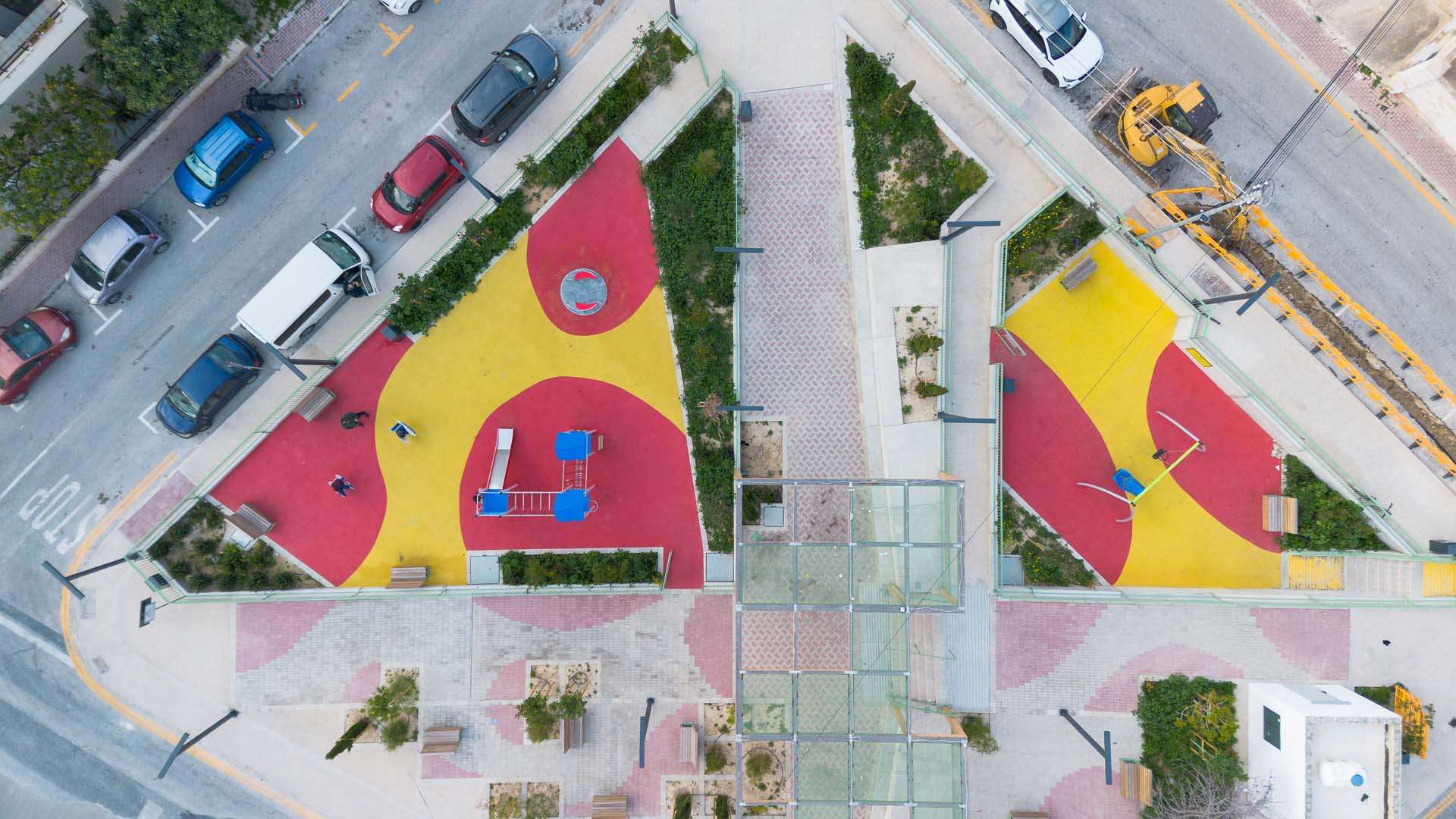
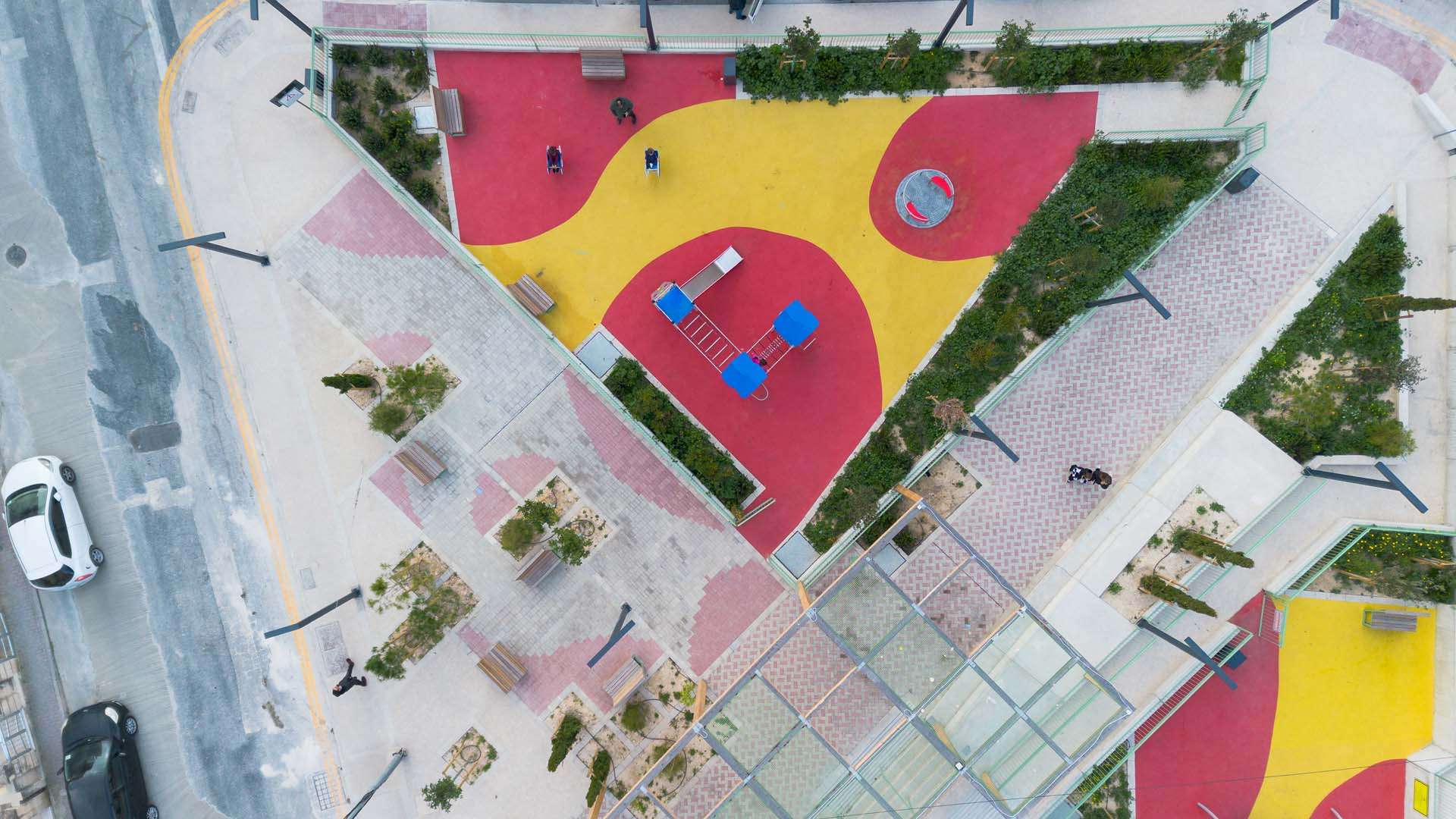
Previously, the site was a maze of winding walls that created hidden corners, contributing to a sense of unease among residents. Despite being surrounded by homes, the space felt disconnected from its neighbourhood. Inspired by the principles of New Urbanism, the design intervention focused on enhancing visibility and accessibility—key factors in fostering a vibrant and secure urban realm. By eliminating high walls and awkwardly placed steps and introducing in-ground planters, the garden now benefits from natural surveillance, allowing residents and passersby to feel both welcome and safe. Main paths are derived from the public network and a square or ‘misraħ’ is created, allowing for eyes on the street, following up on Jane Jacobs’ principles.
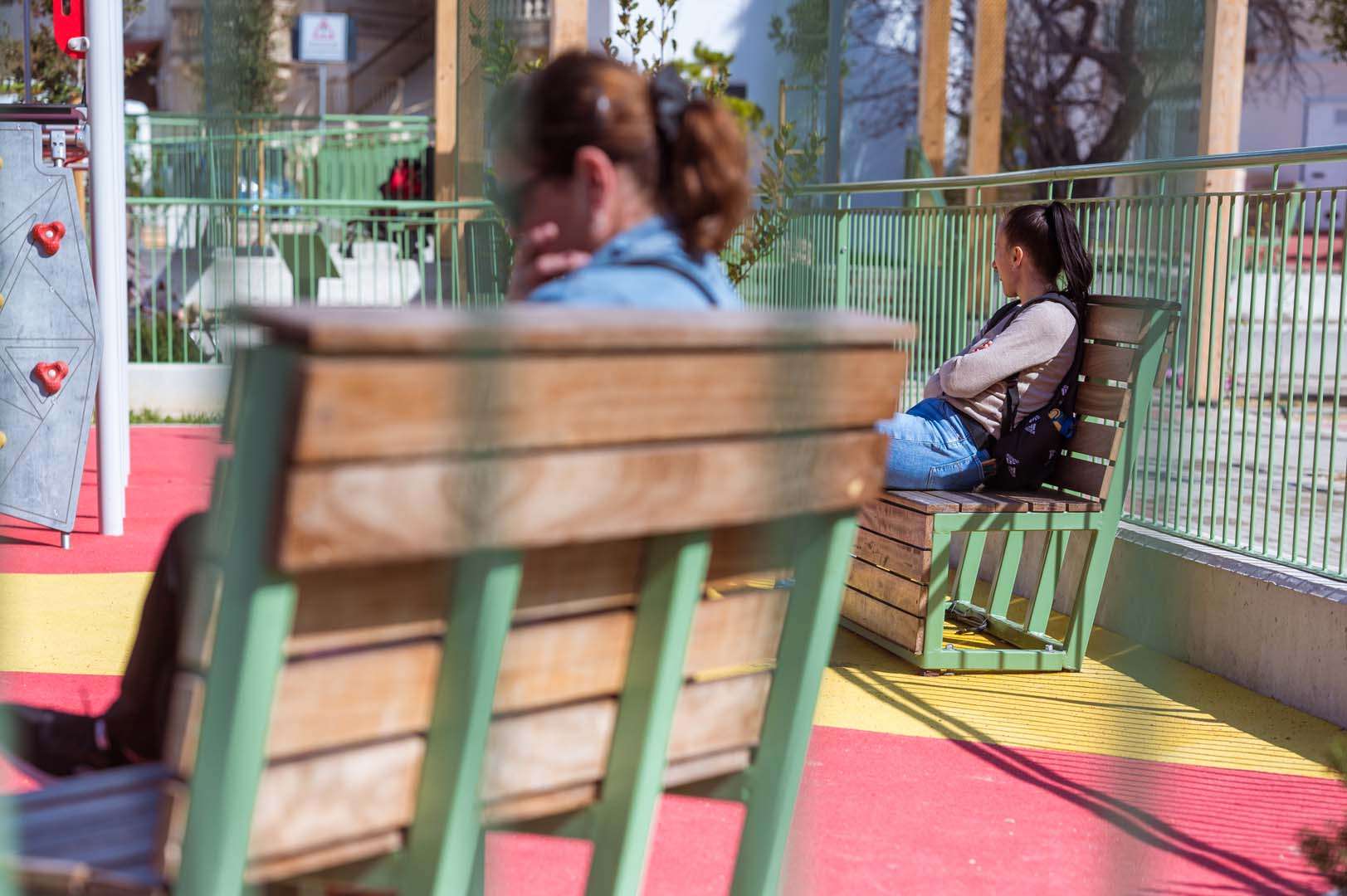
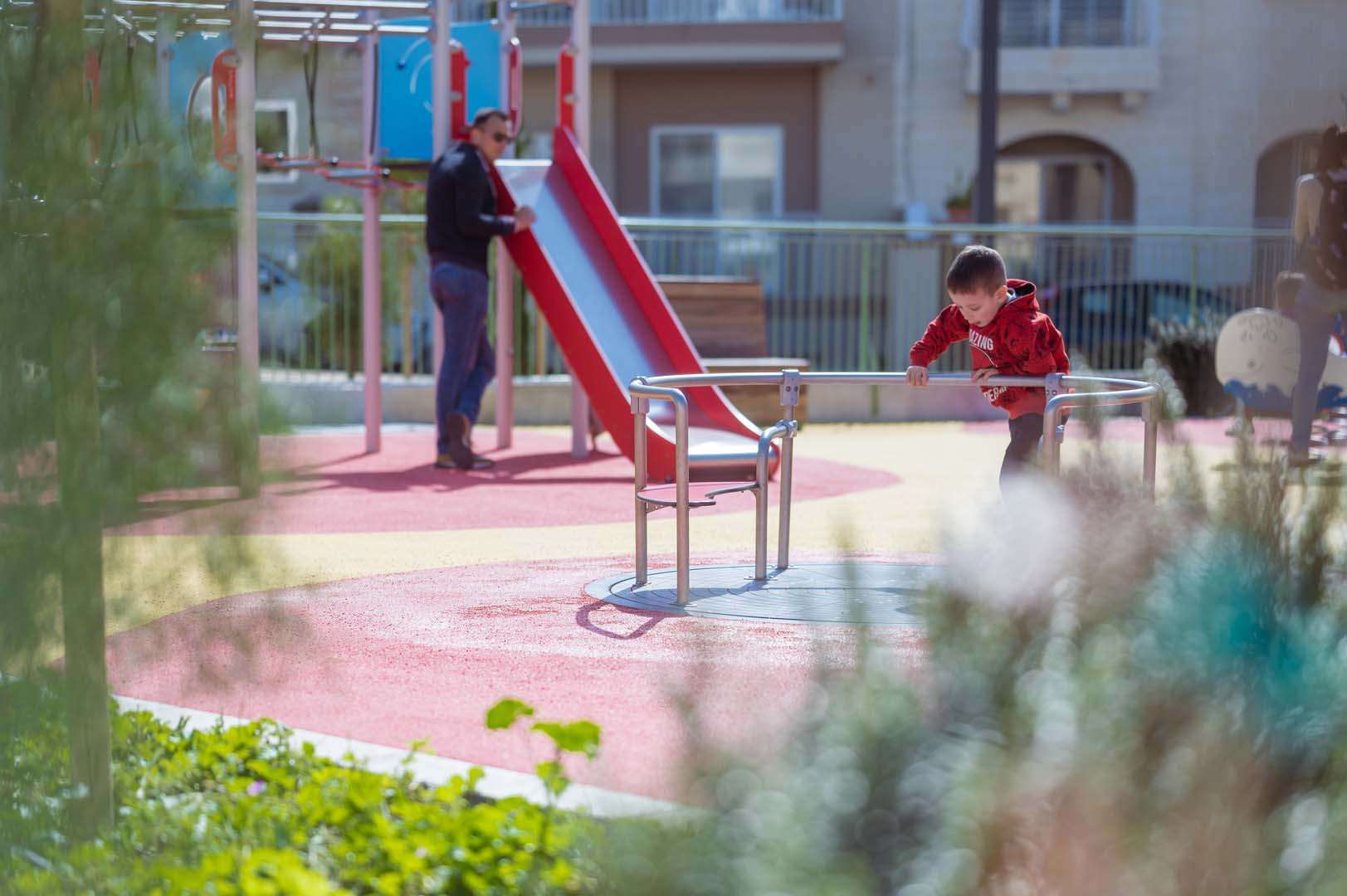
A core objective was to prevent the space from being monopolized by specific groups, ensuring it remains adaptable for diverse users. The layout integrates interwoven paths and flexible zones that encourage movement and social interaction—whether for daily walkers, parents with young children, or teenagers meeting friends. This balance between openness and programmed activity supports a dynamic mix of users, reinforcing the social fabric of the neighbourhood.
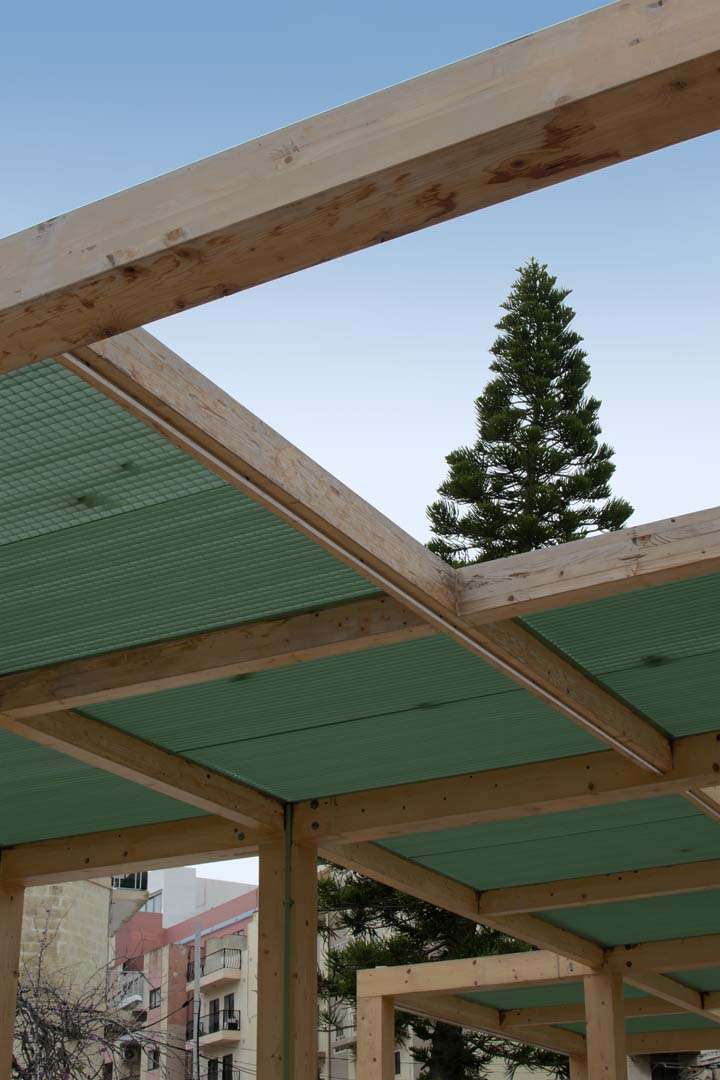
More than just a recreational area, this project serves as a model for reactivating overlooked urban pockets. It demonstrates how small-scale interventions can contribute to a more cohesive public network, enriching community life while providing a distinct urban amenity. Structures and paths are nestled into the existing terrain and colours and playful elements are used to characterize different spaces for different activities. By prioritizing openness, connectivity, and natural surveillance, the space fosters a sense of ownership and shared responsibility, ensuring its long-term success as a vibrant neighbourhood node.